
When Should You See an Orthopaedic Surgeon?
Aches and pains are common—but when they start to interfere with your daily routine or don’t improve with time, it may be a sign something more serious is going on. Knowing when to see an orthopedic surgeon can help you get the right diagnosis, start treatment sooner and avoid long-term complications.
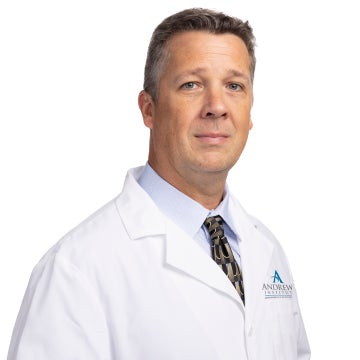
At Andrews Institute for Orthopaedics & Sports Medicine, orthopedic surgeons like Steven Seeker, M.D., provide comprehensive orthopaedic care for patients dealing with everything from injuries to chronic joint conditions.
What Does an Orthopaedic Surgeon Treat?
An orthopaedic surgeon specializes in diagnosing and treating conditions affecting the musculoskeletal system, including:
- Bones
- Joints
- Muscles
- Ligaments
- Tendons
Orthopedic surgeons serve as a first point of contact for patients experiencing joint pain, injuries or mobility issues. At Andrews Institute, Dr. Seeker treats conditions such as arthritis, fractures, sports injuries and joint pain, offering both non-surgical and surgical treatment options.
Signs It’s Time to See an Orthopedic Surgeon
- Persistent or Worsening Pain: Pain that lasts longer than a few weeks—or keeps coming back—shouldn’t be ignored. Ongoing discomfort in areas like the hips, knees, shoulders or back may signal an underlying issue.
- Limited Mobility or Stiffness: If you’re having trouble moving a joint through its normal range of motion, it could indicate inflammation, injury or degenerative conditions like arthritis.
- Injury That Isn’t Improving: Sprains, strains and minor injuries often heal with rest. If you experience lingering pain, swelling that won’t go down or difficulty bearing weight, it’s time to consider an orthopedic evaluation.
- Joint Instability: A joint that feels unstable or gives out during activity may indicate ligament damage or structural issues that require specialized care.
- Chronic Swelling or Inflammation: Persistent swelling, warmth, or tenderness can point to joint disease or injury. Early treatment can help prevent further damage.
- Difficulty Performing Daily Activities: If pain is making it hard to walk, exercise, lift objects or complete routine tasks, it’s a strong indicator that professional care is needed.
- Pain That Affects Your Quality of Life: Pain that disrupts your sleep or prevents you from enjoying normal activities is not something you should “push through.” An orthopaedic surgeon can help identify the cause and create a treatment plan tailored to you.
Conditions Commonly Treated
Orthopedic Surgeons at Andrews Institute, including Dr. Seeker, treat a wide variety of conditions, such as:
- Arthritis and joint degeneration
- Shoulder and knee injuries
- Sports-related injuries
- Hand and wrist conditions
- Fractures and trauma
They also offer advanced care options, like arthroscopic procedures and joint replacement surgery, when conservative treatments are not enough.
Expert Care at Andrews Institute
At Andrews Institute, patients benefit from experienced, compassionate care. Dr. Seeker is known for taking time with patients, clearly explaining diagnoses and working closely with them to determine the best course of treatment. With clinical expertise in joint care, fracture management and sports medicine, he helps patients regain mobility and return to the activities they enjoy.
Take the Next Step
If you’re dealing with persistent pain, limited movement or an injury that isn’t healing, don’t wait to get help. Seeing an orthopaedic surgeon can provide answers and relief sooner.